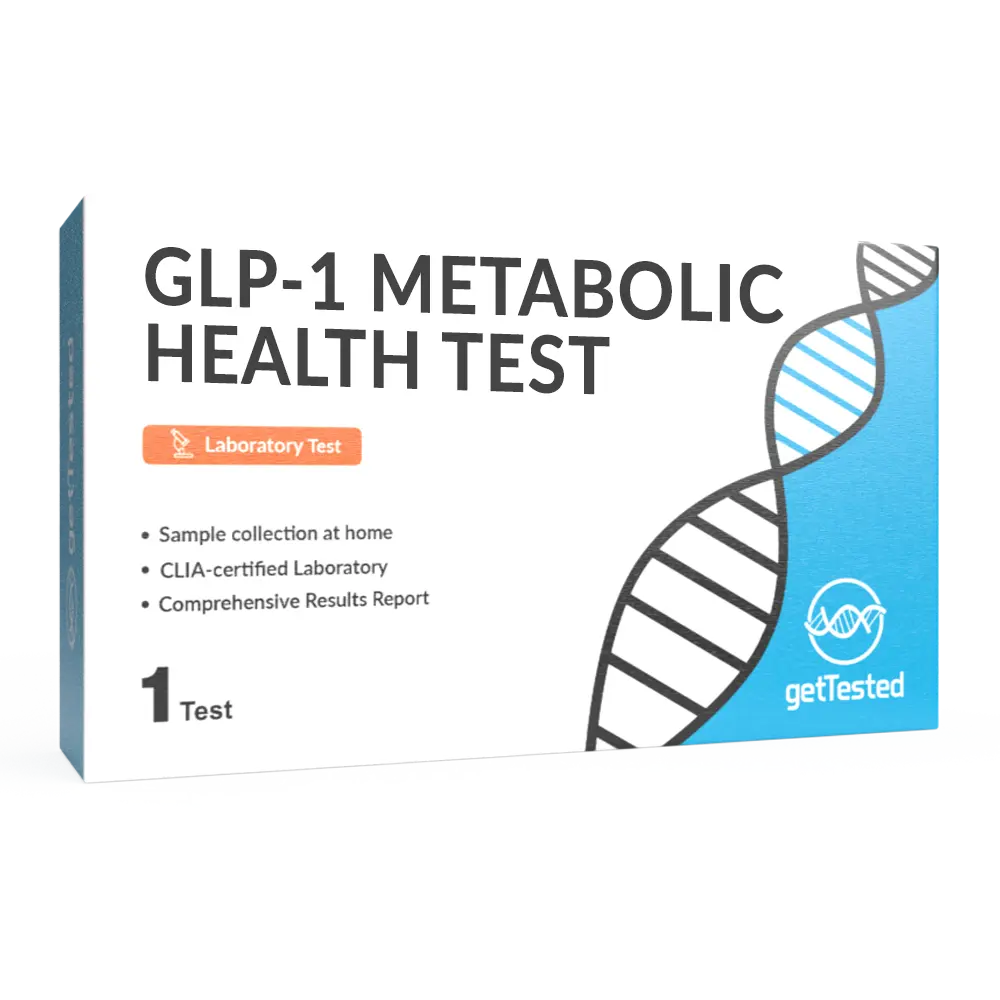
GLP-1 Metabolic Health Test
Measure GLP-1 related biomarkers at home. This comprehensive blood test assesses diabetes risk, cardiovascular health, organ function, and inflammation. Get digital results to optimize your metabolic health.
Product details: USD 139 — InStock — SKU GT_034 — GetTested
About this test
Why These Biomarkers Matter
Metabolic biomarkers are commonly measured as part of routine laboratory testing. These markers can vary over time and are often reviewed together to provide a broader overview of biomarker levels.
Monitoring multiple markers in a single panel allows for a more complete view of the results included in the test.
What This Test Measures
This panel measures a range of biomarkers commonly included in metabolic testing.
Glucose and Hormone Markers
Glucose: A measure of blood sugar levels at the time of testing.
Insulin: A hormone involved in normal glucose regulation.
HbA1c: A marker reflecting average glucose levels over approximately 2–3 months.
Lipid Markers
Total Cholesterol (CHOL): The total amount of cholesterol in the blood.
HDL-C (High-Density Lipoprotein): A type of cholesterol measured in lipid panels.
LDL-C (Low-Density Lipoprotein): A type of cholesterol measured in lipid panels.
CHOL/HDL Ratio: A calculated ratio based on cholesterol measurements.
LDL/HDL Ratio: A calculated ratio based on lipid values.
Triglycerides: A type of fat measured in the blood.
Enzymes & Additional Biomarkers
hs-CRP (high-sensitivity C-reactive protein): A biomarker commonly included in laboratory testing.
Amylase & Lipase: Enzymes measured as part of standard panels.
ALT & AST: Enzymes commonly measured in blood tests.
Bilirubin: A substance measured in routine laboratory analysis.
Albumin: A protein measured in blood tests.
Creatinine: A biomarker commonly included in testing panels.
BUN (Blood Urea Nitrogen): A marker measured in blood tests.
TSH (Thyroid-Stimulating Hormone): A hormone involved in normal hormone regulation.
Together, these biomarkers provide a clear overview of the values included in the panel.
Why Choose This At-Home Test
At-Home Collection
Collect your sample at home without visiting a laboratory.Multi-Marker Panel
Includes a wide range of biomarkers measured in a single test.Clear Results Format
Results are presented with reference ranges for each marker.Laboratory Analysis
Samples are analyzed in CLIA-certified laboratories using established methods.
Who This Test Is For
This panel may be suitable for:
Individuals interested in measuring a range of metabolic biomarkers
Those tracking changes in biomarker levels over time
People looking for a convenient at-home testing option
Individuals who prefer testing without visiting a clinic
Those who regularly track personal health data
Individuals using or considering GLP-1–related therapies who want baseline biomarker information
Testing provides a broad overview of the biomarkers included in the panel.
How It Works
Order Your Kit
Order your at-home GLP-1 Metabolic Test kit online and have it delivered to your home.Collect Your Sample
Use the included instructions to collect a small finger-prick blood sample using the dried blood spot method.Send to Lab
Mail your sample to our CLIA-certified laboratory using the prepaid return packaging.Get Your Results
Access your results securely online within a few days after the lab receives your sample, with clear explanations and reference ranges.
Biomarkers included
- TSH: Thyroid-Stimulating Hormone (TSH), also known as thyrotropin, is a hormone produced by the pituitary gland. It plays a crucial role in regulating thyroid function by stimulating the thyroid gland to produce and release thyroid hormones (T3 and T4), which are vital for metabolism, growth, and development. Measuring TSH levels is a primary way to assess thyroid gland activity and diagnose thyroid di
- HDL Cholesterol: HDL cholesterol, often referred to as "good" cholesterol, is a type of lipoprotein that carries cholesterol from other parts of your body back to your liver, where it is broken down and removed from the body. Higher levels of HDL are generally associated with a lower risk of heart disease and stroke, as it helps prevent the buildup of cholesterol in the arteries. Measuring HDL levels is important
- Glucose: Glucose is the body’s primary source of energy and is especially important for brain and muscle function. Blood glucose is tightly regulated by insulin and other hormones to keep levels within a healthy range. Measuring glucose is central to evaluating metabolic health and is used in the assessment of diabetes, insulin resistance, and hypoglycemia. Persistently elevated glucose may indicate impair
- Insulin: Insulin is a hormone produced by the pancreas that plays a crucial role in regulating blood glucose (sugar) levels. It facilitates the uptake of glucose from the bloodstream into cells for energy or storage. Abnormal insulin levels, either too high or too low, are key indicators of metabolic disorders such as diabetes and insulin resistance.
- Amylase: Amylase is an enzyme produced mainly by the pancreas and salivary glands that helps break down carbohydrates into smaller sugars during digestion. Measuring amylase in blood or urine can provide information about pancreatic and salivary gland activity. Elevated levels may be seen when these tissues are inflamed or injured—most notably in pancreatic conditions—while results are typically interprete
- Bilirubin: Bilirubin is a yellow pigment formed when red blood cells are broken down. It is transported to the liver, where it is processed (conjugated) and then excreted through bile. Measuring bilirubin helps assess how well the liver and bile flow pathways are functioning. Elevated levels may be seen with liver or bile duct problems (such as impaired bile flow) or with increased breakdown of red blood cel
- CHOL/HDL Ratio: The CHOL/HDL ratio is calculated by dividing total cholesterol (CHOL) by high-density lipoprotein (HDL) cholesterol. It helps describe the balance between cholesterol carried in potentially atherogenic lipoproteins and the protective HDL fraction. A higher ratio generally reflects a less favorable lipid profile and is associated with increased cardiovascular risk, while a lower ratio is typically
- Alanine Aminotransferase (ALT): Alanine aminotransferase (ALT) is an enzyme found mainly in liver cells. When liver cells are stressed or damaged, ALT can leak into the bloodstream, which is why it’s commonly used as a marker of liver health. Elevated ALT levels may indicate liver inflammation or injury and are seen in a range of conditions affecting the liver. ALT is typically interpreted together with other liver-related marke
- LDL/HDL Ratio: The LDL/HDL ratio is a calculation derived from your cholesterol levels, specifically the ratio of 'bad' low-density lipoprotein (LDL) cholesterol to 'good' high-density lipoprotein (HDL) cholesterol. This ratio is important because it provides a more comprehensive assessment of cardiovascular risk than looking at individual cholesterol levels alone, indicating the balance between cholesterol that
- hs-CRP (high-sensitivity C-reactive protein): High-sensitivity C-reactive protein (hs-CRP) is a specific type of C-reactive protein test that can detect very low levels of inflammation in the body. While CRP is a general marker of inflammation, hs-CRP is particularly important for assessing the risk of cardiovascular disease, even in apparently healthy individuals. Elevated hs-CRP levels suggest chronic low-grade inflammation, which is a sign
- Creatinine: Creatinine is a waste product formed in muscles from the normal breakdown of creatine. It is released into the bloodstream and filtered by the kidneys, then excreted in urine. Because creatinine levels are influenced by how efficiently the kidneys filter blood, it is commonly used to assess kidney function. Elevated creatinine may indicate reduced kidney filtration or kidney disease, while low lev
- LDL Cholesterol: LDL cholesterol, often referred to as "bad" cholesterol, is a type of lipoprotein that carries cholesterol to your tissues and arteries. High levels of LDL can lead to the buildup of cholesterol in the arteries (atherosclerosis), increasing the risk of heart disease, heart attack, and stroke. Measuring LDL levels is a key component of assessing cardiovascular health and determining the need for li
- BUN: Blood Urea Nitrogen (BUN) is a waste product filtered from the blood by the kidneys. It's important because BUN levels indicate how well your kidneys are functioning and can reflect hydration status, protein intake, and other health issues. Elevated BUN can suggest impaired kidney function, dehydration, or increased protein catabolism, while low levels are less common but can indicate severe liver
- Albumin: Albumin is the most abundant protein in blood plasma and is produced by the liver. It helps maintain oncotic (osmotic) pressure, keeping fluid within the bloodstream, and it also transports many substances such as hormones, fatty acids, and certain medications. Measuring albumin can provide useful information about liver synthetic function and overall protein status. Abnormal levels may be seen in
- Triglycerides: Triglycerides are a type of fat (lipid) found in your blood. Your body uses triglycerides for energy, but high levels can increase your risk of heart disease and other health problems. They are primarily measured to assess cardiovascular health and metabolic risk.
- Aspartate Aminotransferase (AST): Aspartate aminotransferase (AST) is an enzyme found in several tissues, including the liver, heart, skeletal muscle, kidneys, and red blood cells. It is involved in amino acid metabolism and can be released into the bloodstream when cells in these tissues are stressed or damaged. Elevated AST may indicate liver injury, but because AST is not liver-specific, increased levels can also be seen with m
- Total Cholesterol: Total cholesterol is a measure of the total amount of cholesterol in your blood, including LDL (bad), HDL (good), and other lipid components. While it provides a general overview of cholesterol levels, it's important to consider the individual levels of LDL and HDL for a more complete assessment of cardiovascular risk. High total cholesterol can increase the risk of heart disease and stroke.
- HbA1c (Hemoglobin A1c): HbA1c (Hemoglobin A1c) measures the average blood glucose levels over the past 2-3 months by assessing the percentage of hemoglobin in red blood cells that is coated with sugar. It's a crucial indicator for diagnosing and monitoring diabetes, as persistently high levels denote poor long-term glucose control, increasing the risk of diabetes-related complications. This test provides a more stable an
- Lipase: Lipase is an enzyme primarily produced by the pancreas that plays a crucial role in the digestion of fats (lipids) in the small intestine. It breaks down triglycerides into fatty acids and glycerol, allowing them to be absorbed by the body. Measuring lipase levels in the blood is important for diagnosing and monitoring conditions affecting the pancreas, as elevated levels often indicate pancreatic
How to prepare
Collect the sample in the morning after a 10–12 hour overnight fast (no food).
Frequently asked questions
How does the at-home GLP-1 Metabolic Health Test work and what does it measure?
Our GLP-1 Metabolic Health Test provides comprehensive insights into your health by measuring crucial biomarkers related to liver function, kidney health, cholesterol levels, and blood sugar regulation. This convenient blood test detects markers for diabetes risk, cardiovascular health, organ function, and inflammation. The at-home sample collection process is straightforward, allowing you to easily gather your sample in the comfort of your own home, which is then sent to our CLIA-certified labs for accurate analysis.
Who should consider taking the GLP-1 Test, especially in the context of GLP-1 agonist use?
This comprehensive panel is ideal for individuals seeking to understand and optimize their metabolic health, particularly those considering or currently undergoing GLP-1 agonist therapies. It helps monitor vital organ functions, such as liver and kidney health, and metabolic indicators like cholesterol and blood sugar, which are crucial for assessing the drug's impact and overall well-being. It serves as a comprehensive pre- and post-GLP-1 agonist monitoring solution, ensuring a holistic view of your metabolic status and facilitating informed health decisions.
What are the sample requirements and how reliable are the results from this at-home test?
The GLP-1 Metabolic Health Test typically requires a simple finger-prick blood sample, making it highly convenient for at-home collection. Detailed instructions are provided with the kit, often including a helpful video demonstration for easy understanding. Our tests are processed in CLIA-certified laboratories, ensuring high accuracy and reliability, comparable to traditional in-clinic lab tests, with every sample overseen by qualified physicians for result validation.
How quickly can I expect to receive my GLP-1 Test results and how are they interpreted?
You can typically expect your comprehensive GLP-1 Test results within 2-5 business days of our lab receiving your sample. The results are presented in an easy-to-understand format through a secure online portal, clearly indicating your levels for liver enzymes, kidney function markers, lipid profiles, and blood glucose. For deeper understanding, the panel includes a detailed interpretation of how these markers interrelate to paint a comprehensive picture of your metabolic health, especially relevant for those managing or considering GLP-1 agonist medications. We also offer optional post-result consultations for personalized guidance beyond basic interpretation.
What specifically is included in the price of the GLP-1 Metabolic Health Test?
The price of the GLP-1 Metabolic Health Test includes the at-home testing kit, detailed instructions, pre-paid return shipping to our CLIA-certified laboratory, and the professional analysis of all measured biomarkers related to liver, kidney, cholesterol, and blood sugar. Furthermore, it covers the secure online delivery of your comprehensive results and access to interpretive resources that explain the significance of your metabolic health data, including its implications for GLP-1 agonist context and overall well-being. There are no hidden fees, providing transparent and accessible testing.
How does this GLP-1 Test compare to a standard physical's blood test?
Our GLP-1 Metabolic Health Test offers a focused, comprehensive assessment tailored to metabolic health indicators, often including specific markers crucial for those interested in or on GLP-1 agonists, which might not be standard in every routine physical. While a standard physical may cover some of these parameters, our panel integrates these markers with an emphasis on their interrelations and significance for metabolic optimization, providing a more in-depth and specialized view for individuals concerned with diabetes risk, cardiovascular health, and organ function. This specialized focus helps to identify potential issues and track progress more effectively.
Customer reviews
4.6/5 (5)
- 5/5 — As someone who's been actively managing my metabolic health for years, this GLP-1 panel has been a game-changer. The at-home collection was straightforward, and the instructions were very clear, even for a first-timer. I sent my sample in, and the results were back within 4 business days, which was impressive. The report itself was incredibly detailed, covering everything from liver and kidney function to cholesterol and blood sugar. What I appreciated most was how clearly they explained what each biomarker meant and how it related to my overall metabolic health. It’s given me actionable insig
- 4/5 — The convenience of this at-home test is fantastic. It's so much easier than scheduling multiple lab visits. The kit arrived promptly, and the instructions were clear enough to perform the finger-prick sample without much difficulty. My results came back within the stated 2-5 business days. The report itself was detailed, covering all the advertised markers like blood sugar and cholesterol. However, after receiving my results, I found myself wanting more personalized guidance on interpreting some of the slightly out-of-range markers. While they offer optional consultations, it would be great if
- 4/5 — I purchased this panel to get a comprehensive baseline before starting a new diet and exercise regimen. The finger-prick collection was a bit tricky for me initially, but I got the hang of it. The kit arrived quickly, and returning the sample was simple with the pre-paid envelope. My results were available online after 5 business days, and the portal was easy to navigate. While most of my numbers were in the healthy range, the detailed breakdown of cholesterol ratios and specific liver markers gave me some new areas to focus on. It's a solid tool for general health monitoring, though I would h
- 5/5 — I've always been interested in preventative health, and this GLP-1 panel offered exactly what I was looking for. The sampling process was straightforward and felt very hygienic. I received my results within the promised timeframe, and they were presented in a clear, actionable format. It's not just a list of numbers; they provide context and explanations for each biomarker, which is incredibly helpful. Knowing my current status on liver function, kidney health, and inflammation markers allows me to make more informed lifestyle choices. This is far more detailed than typical annual physical blo
- 5/5 — Being on a GLP-1 agonist, I was looking for a convenient way to monitor various health markers. This panel addresses all my concerns. The at-home sample collection was discreet and very easy to do following the video guide. I sent it back on a Monday and had my results by Friday. The report highlighted all the key areas – liver, kidney, blood sugar, and cholesterol – and presented them in a way that was easy to understand, even for someone without a medical background. It’s reassuring to have this level of detail readily available and has definitely alleviated some of my worries about potentia